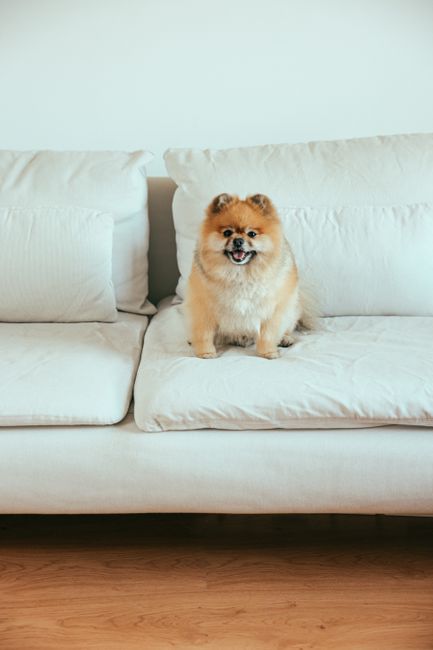
Case study Neasden sofa cleaning pet stain restored

If you have ever stared at a sofa and thought, "Right, how on earth is that coming out?", you are in the right place. This Case study Neasden sofa cleaning pet stain restored article looks at what matters most when a pet accident leaves a visible mark, a lingering smell, and a bit of panic. Sofa fabrics can be forgiving, but only if the cleaning approach matches the fibre, the stain type, and how long the problem has been sitting there. In real life, those details make all the difference.
Here, you will find a practical walkthrough of what a proper restoration process involves, why it matters for your home, and how to judge whether a sofa is a good candidate for deep cleaning rather than replacement. We will also cover mistakes to avoid, sensible maintenance habits, and the kind of expectations that keep everyone on the same page. To be fair, a lot of pet stain advice online is all confidence and no substance. This is not that.
For readers comparing options, it may also help to look at the wider service picture around professional sofa cleaning and pet stain and odour removal, especially if the issue has spread beyond one cushion or has been treated badly before.
Expert summary: the best pet-stain restoration jobs are rarely about brute force. They are about careful assessment, fibre-safe products, moisture control, and a drying plan that prevents the stain from blooming back later. That is the quiet part people miss.
Why Case study Neasden sofa cleaning pet stain restored Matters
Pet stains are not just about appearance. They can affect smell, fabric texture, hygiene, and how long the sofa stays usable. A treated spill may look "better" after a quick scrub, but if the urine salts, oils, or residue are left in the pile or foam, the stain can reappear when humidity rises or the room warms up. That is one reason pet stain work is more specialised than general upholstery cleaning.
In a busy home, especially one with children, pets, and very little spare time, a sofa is a high-contact surface. It gets sat on, leant on, napped on, and occasionally used as a dog's favourite lookout point. Let's face it, sofas earn their keep. When a stain lands there, you are balancing comfort, hygiene, and the cost of replacement. A good restoration job can extend the life of the furniture and delay a pretty expensive purchase.
It also matters because the wrong cleaning method can set the stain. Hot water on a protein-based mark, too much detergent, or over-wetting can push contamination deeper into the padding. Once that happens, the visible patch may be only half the issue. The smell underneath tells the real story.
This is why a proper case study-style approach is useful. It focuses on the sequence: identify, test, treat, extract, and dry. Simple on paper. Less simple on a Tuesday evening with a half-wet cushion and a worried face in the room.
How Case study Neasden sofa cleaning pet stain restored Works
The restoration process begins with assessment. That means checking the sofa fabric type, the age of the stain, whether the stain is from urine, vomit, drool, or a mix of several things, and whether the damage is only surface deep or has migrated into the filling. Different contaminants behave differently. A fresh urine mark behaves differently from a dried one, and that difference affects every later step.
Next comes testing. On many upholstery fabrics, especially blends and delicate fibres, a small hidden area should be checked first. This helps assess colourfastness, reaction to moisture, and how the fabric handles agitation. If a cleaner skips this part, you are gambling a bit. Not ideal.
After that, the cleaning stage normally follows one of two broad routes: a targeted stain-removal treatment or a fuller upholstery clean. In many cases, the job combines both. A pre-treatment breaks down the stain, followed by controlled extraction or low-moisture cleaning to lift residue without soaking the sofa. When odour is involved, a separate deodorising and neutralising step may be needed rather than simply masking the smell.
For persistent contamination, especially where pet accidents have soaked into the filling, the work may involve repeat treatment. That does not mean failure. It means the stain has gone deeper than the surface, which happens more often than people expect. Sometimes you will need more than one pass, and sometimes the fabric will look improved long before the odour fully clears. Patience matters here.
Many homeowners also need the rest of the room addressed, because pet incidents rarely stay politely in one spot. A nearby rug, for example, can hold smell and residues too, which is where a related service such as rug cleaning becomes useful. If the same pet has been doing the rounds, it is often smarter to treat the full environment rather than one isolated patch.
Key Benefits and Practical Advantages
The biggest benefit is obvious: the sofa looks and smells better. But the practical advantages go further than that. Good restoration protects the furniture investment, improves day-to-day comfort, and reduces the temptation to cover the problem with a throw and hope for the best. We have all seen that trick. It buys time, not a solution.
Another benefit is health and hygiene. While not every pet stain is a serious risk, old contamination can hold bacteria, moisture, and odour-causing residue. A well-cleaned sofa is easier to live with, easier to maintain, and less likely to become the room's secret problem.
There is also a visual advantage that people underestimate. A stain does not just mark the fabric; it can make the whole seating area feel tired. Once the mark is removed, the room can suddenly look brighter and more cared for. That shift can be surprisingly noticeable, especially in smaller Neasden homes where the sofa is one of the main visual anchors in the living room.
From a budget point of view, professional cleaning is often more sensible than replacing a good sofa too early. Of course, not every item can be saved. But many can. The right process can turn a "we may need a new sofa" moment into "actually, this is fine again".
- Restores appearance without replacing the furniture
- Helps remove lingering pet odours rather than hiding them
- Reduces residue build-up in cushions and fabric
- Supports a cleaner, fresher living space
- Can improve the lifespan of the upholstery
If you are comparing broader care options, it may also be useful to review upholstery cleaning for general fabric maintenance and stain removal when the issue is not limited to pet contamination.
Who This Is For and When It Makes Sense
This kind of service makes sense for households with dogs, cats, rabbits, or any pet that spends time on soft furnishings. It is especially relevant if the stain is recent, if the smell keeps returning, or if previous DIY attempts made the patch look worse. That last one happens a lot, honestly. People panic, use the nearest bottle, and the fabric ends up with a tide mark or a patchy finish.
It is also a good fit when the sofa is otherwise in good condition. If the frame is sound, the cushions are still supportive, and the fabric has not degraded, cleaning can be a very efficient fix. If the upholstery is already threadbare or badly faded, the decision may be different. Good cleaners should say that plainly rather than pretending every sofa is a miracle waiting to happen.
Commercial settings can benefit too, though pet stains are less common there. Waiting rooms, serviced accommodations, and rental properties may still face furniture contamination from animals. In those cases, keeping the upholstery presentable can be part of the wider upkeep plan. If that is your situation, you may want to look at commercial carpet cleaning alongside the sofa work, because one clean area can make the rest of a room feel neglected if ignored.
It makes sense when:
- The stain is visible and you want to avoid permanent marking.
- The smell remains after basic cleaning.
- The sofa fabric is suitable for wet or low-moisture treatment.
- You want to preserve the furniture rather than replace it.
- The incident has affected confidence in using the room normally.
Step-by-Step Guidance
Below is a practical, plain-English version of how a careful restoration job should unfold. The exact products and machines may vary, but the logic stays much the same.
- Inspect the sofa carefully. Check the fabric, the stain edges, cushion seams, and whether the contamination has moved into the filling. A faint patch on the surface can hide a much larger problem below.
- Test a hidden area. This is basic but vital. It helps avoid colour loss or fibre distortion. Skipping the test is how people end up with a "cleaned" sofa that looks oddly blotchy.
- Identify the stain type. Urine, vomit, food, and muddy pet marks all need slightly different chemistry and dwell time. There is no universal potion, despite what the label may imply.
- Apply a suitable pre-treatment. A controlled product breaks down organic residue and loosens embedded soil. The treatment should be matched to the fabric and left to work for the right amount of time.
- Agitate gently if needed. Soft brushes or cloths can help lift fibres without damaging them. This is a careful job, not a scrub-athalon.
- Extract or wipe away the residue. The point is to remove what has been broken down, not simply move it around. Controlled moisture is key.
- Tackle odour separately. Smell often needs neutralisation rather than fragrance. A perfumed cover-up may smell pleasant for an hour and then, well, not.
- Dry the area properly. Airflow matters. Cushions should not stay damp for long periods, or you risk reappearing marks and musty odour.
- Inspect the result after drying. Some stains only show their true behaviour once dry. If necessary, repeat treatment on the remaining shadow or odour.
When you want a broader service that covers both cleaning and odour control, the dedicated pet stain odour removal page is a good reference point for what that treatment typically involves.
Expert Tips for Better Results
One useful rule: act quickly, but do not rush blindly. Speed helps because fresh contamination is easier to lift. Yet panic cleaning is where damage starts. Keep the area calm, blot rather than rub, and avoid layering product after product. More is not better here.
Another good habit is to keep pets off the treated spot until it is fully dry. Sounds obvious. It is not always obeyed. Pets have a way of testing boundaries, especially if the sofa has been their favourite napping place for years.
Here are a few tips that genuinely help:
- Blot liquids with white absorbent cloths, not coloured towels that may transfer dye.
- Do not saturate the fabric with water unless the method calls for it.
- Avoid strong household bleach or random multipurpose sprays.
- Open windows or use airflow to speed drying where safe and practical.
- Check under cushions and along seams, not just the visible patch.
If the sofa is part of a larger soft-furnishing refresh, it can be smart to combine it with curtain cleaning or even a general carpet cleaning visit. That way, the room feels uniformly refreshed rather than half done.
And one slightly cheeky but true tip: do not trust a nice smell. Nice smell is not the same as clean. Your nose can be charmed far too easily.
Common Mistakes to Avoid
The most common mistake is rubbing the stain. Rubbing pushes residue deeper and can rough up the fibres, especially on woven or brushed upholstery. Blotting is slower, but kinder.
Another mistake is using too much water. Over-wetting can lead to water rings, fibre distortion, slow drying, and deeper contamination in the cushion interior. If a sofa is soaked through, the problem can become larger than the original stain. That is the opposite of what anyone wants on a Saturday afternoon.
It is also a mistake to ignore the odour and focus only on the visible mark. A sofa can look better and still smell wrong. That usually means the source has not been fully removed. In pet work, the smell is often the real indicator of success.
Other errors to avoid:
- Using products that are not suitable for upholstery
- Skipping a fabric test
- Using heat too early, which can lock stains in
- Trying five different products at once
- Leaving the sofa damp for too long
If you have already tried a few DIY methods and the mark has spread, it may be worth looking at a professional sofa cleaning service rather than pushing your luck further. Sometimes restraint is the most useful tool in the room.
Tools, Resources and Recommendations
For a careful pet stain restoration job, the useful tools are not glamorous, but they work. A few absorbent white cloths, a soft upholstery brush, a suitable extraction or low-moisture cleaning system, and the right stain treatment will solve far more than a cupboard full of random sprays.
From a practical standpoint, the most important "resource" is not a gadget at all. It is the ability to identify the fabric and choose the correct method. Velvet, microfibre, wool blends, synthetics, and mixed upholstery each respond differently. If you are unsure, pause there. A mistake on an expensive fabric can cost more than the cleaning itself.
Recommended approach by situation:
| Situation | Better approach | Why it suits the job |
|---|---|---|
| Fresh pet accident on a synthetic sofa | Blot, pre-treat, controlled extraction | Fast treatment can reduce residue before it settles in |
| Old urine smell in cushions | Deep treatment plus odour neutralisation | Smell often sits in the filling and needs more than surface cleaning |
| Delicate or colour-sensitive fabric | Spot test and low-moisture method | Protects texture and colour stability |
| Large affected area | Full upholstery clean with targeted stain work | Helps avoid patchy results and visual mismatch |
If the furniture set is part of a larger fabric care plan, you may also want to consider mattress cleaning for bedroom hygiene or steam carpet cleaning where flooring has taken some of the same traffic. It is often the room, not just the sofa, that needs attention.
Law, Compliance, Standards, or Best Practice
For domestic sofa cleaning, there is usually no complicated legal process attached, but there are still sensible standards to follow. Good practice in the UK cleaning trade generally means clear communication, careful handling of chemicals, accurate job assessment, and safe working methods. If a cleaner is working on a customer's property, they should take reasonable care with surfaces, electrics, and ventilation.
It is also sensible to choose a provider that is clear about safety, insurance, and expectations. You do not need a lecture, just transparency. For example, you may want to check a company's insurance and safety information, as well as their health and safety policy, if those details are important to you. That is just good housekeeping, really.
When cleaning products are used, they should be handled according to the label and the fabric's requirements. Strong odour removers, spotters, and detergents should never be mixed casually. That sounds obvious, but we all know how a "quick fix" can become a much bigger story. In shared accommodation, rentals, and commercial spaces, documented care and responsible process matter even more.
There is also a practical customer-rights angle. A reputable company should be honest about limitations: some stains are removable, some are significantly improved, and some have permanently changed the fibre. That honesty builds trust. It saves time too.
Options, Methods, or Comparison Table
If you are trying to decide how to deal with a pet stain, the main choice is usually between doing it yourself, booking a specialist clean, or replacing the furniture. Each option has its place.
| Option | Best for | Pros | Limitations |
|---|---|---|---|
| DIY spot cleaning | Very fresh, light stains | Quick, low cost, immediate action | Easy to over-wet or set the stain |
| Professional upholstery cleaning | Visible stains, lingering odour, mixed contamination | More thorough, fabric-aware, better extraction | Requires booking and service cost |
| Replacement | Severe wear, structural damage, permanent marking | Fresh start, no lingering issue | Usually the most expensive route |
There is no single right answer for everyone. A lightly marked, otherwise excellent sofa may be a strong candidate for professional cleaning. A damaged, faded, sagging one may not be worth the effort. The real decision is not emotional, even though it feels that way at first. It is about value, condition, and likely outcome.
For people who want a broader service that treats the whole piece rather than one stain, upholstery cleaning is often the most complete option. If smell has become the main concern, then targeted odour work matters as much as visual stain removal.
Case Study or Real-World Example
Here is a realistic example of how a pet stain restoration job might unfold in a Neasden home. A family notices a darkened patch on a three-seat sofa cushion after their dog has an accident overnight. The mark has partly dried, and there is already a faint smell in the room by the next afternoon. They have tried blotting the surface and a quick spray cleaner, which helped a little, but not much. The stain edge is still visible, and the odour returns when the room warms up.
The first step is assessment. The cleaner checks the fabric, the seam lines, and whether the stain has soaked into the cushion interior. A small test area is used to confirm the sofa can tolerate the treatment. Then a pet-specific pre-treatment is applied to the affected section, with care taken not to flood the foam. The cleaner works slowly, lifts the residue, and extracts the loosened contamination. The odour treatment follows separately, because the smell is not solved by appearance alone.
After the first pass, the visible mark is lighter but not fully gone. That is normal with older contamination. A second treatment is applied to the remaining shadow, and the cushion is allowed to dry with good airflow. By the time it is fully dry, the patch is no longer obvious, and the smell has dropped to a much more acceptable level. Not magic. Just method.
The takeaway from this kind of case is simple: the sofa was not "ruined" at the point of the accident. The result depended on response, product choice, and patience. That is where the restoration happened.
If the stain had spread to nearby flooring or another fabric item, a combined visit might have been sensible, such as pairing sofa treatment with carpet cleaning or even rug cleaning to keep the whole room consistent.
Practical Checklist
Use this checklist before, during, or after treatment. It keeps the job grounded and stops small problems turning into long-term ones.
- Identify the stain source as best you can.
- Check the fabric label or test a hidden area.
- Blot any remaining moisture instead of rubbing.
- Use a suitable cleaner for upholstery, not a random household spray.
- Avoid soaking the filling or cushion core.
- Treat odour separately if it persists after cleaning.
- Allow enough drying time before heavy use.
- Inspect seams, cushion edges, and hidden corners.
- Repeat treatment carefully if a stain shadow remains.
- Consider full-room cleaning if other soft furnishings also smell or look tired.
Practical takeaway: the best results usually come from a measured process, not a dramatic one. Careful assessment, gentle treatment, proper drying, and honest expectations beat aggressive scrubbing every time.
If you are in the planning stage, it may help to look at pricing and quotes before booking, so you can compare options with a clear idea of scope. And if you want reassurance about how your details and payment are handled, the pages on payment and security and privacy policy are worth a quick read. Simple, but useful.
Conclusion
A successful Case study Neasden sofa cleaning pet stain restored outcome is not about claiming every mark can be erased. It is about understanding what the sofa needs, responding with the right method, and being honest about the result. When pet stains are treated quickly and correctly, a sofa that looked close to finished can often return to looking and smelling much better than expected.
The key lessons are straightforward. Act early if you can. Match the treatment to the fabric. Do not ignore odour. Avoid over-wetting. And if the stain has gone beyond the surface, do not be embarrassed to get proper help. That is what specialist upholstery care is for, after all.
If you are dealing with a similar issue now, the most sensible next step is to assess the fabric, decide whether the stain is surface-level or deeper, and choose the method that gives the furniture the best chance of recovery. A calm, methodical approach almost always wins here.
Get a free quote today and see how much you can save.
Sometimes the best home fixes are the quiet ones. No drama, just a sofa that feels like itself again.
Frequently Asked Questions
Can pet stains really be removed from a sofa?
Often, yes, especially if the stain is treated quickly and the fabric is suitable for professional cleaning. Fresh contamination is usually easier to improve than old, set-in marks. Odour is often the trickier part, so a proper treatment should address both the visible stain and the smell.
Why does the stain come back after I clean it?
That usually happens when residue has soaked into the foam or backing and rises again as the fabric dries. It can also happen if too much water was used or if the stain was not fully extracted. The fix is usually a more controlled cleaning method, not more detergent.
Is sofa cleaning safe for delicate upholstery?
It can be, if the cleaner tests the fabric first and uses a method suited to the material. Delicate fabrics need careful handling, and some are better suited to low-moisture or specialist treatment. If in doubt, always test a hidden area first.
How long does a pet stain restoration job take?
The cleaning itself may be fairly quick, but drying time matters too. A small surface stain may need only a short visit, while deeper contamination can take longer and may require repeat treatment. Drying can add several hours, depending on airflow and fabric type.
Will cleaning remove the smell as well as the stain?
Usually it can improve both, but odour often needs a separate neutralising step. If the smell has penetrated the filling, surface cleaning alone may not be enough. A good result should leave the sofa looking fresher and smelling far less noticeable.
Can I use vinegar or baking soda on pet stains?
Some people use them, but they are not a guaranteed fix and can sometimes leave residue or create new issues. The bigger concern is whether the fabric reacts badly or the stain gets pushed deeper. A fabric-safe approach is usually more reliable.
What if the stain is very old?
Older stains are harder, but not automatically hopeless. The aim may be to improve appearance and reduce smell rather than achieve a perfect reset. Honest assessment matters here, because some staining has already changed the fibre permanently.
Should I clean the whole sofa or only the stain?
If the mark is isolated and the rest of the sofa is in good condition, spot treatment may be enough. If the upholstery is generally dull, marked, or uneven, a full clean often gives a better finish. Otherwise you can end up with a "clean patch, tired sofa" look, which is a bit awkward.
How can I stop pet stains happening again?
Regular cleaning routines, washable throws, pet training, and quick response to accidents all help. It is also smart to keep an eye on favourite sleeping spots, because repeated use in one area can make residue build up over time. A little prevention goes a long way.
Do I need a specialist for pet odour removal?
If the smell is mild and very recent, you may be able to improve it with careful cleaning. But if the odour keeps returning, or if the stain has soaked into the cushion, a specialist approach is usually the safer option. It saves time, and often saves the furniture too.
How do I know whether repair or replacement is better?
Look at the sofa's overall condition. If the frame, support, and fabric are still good, cleaning is often worthwhile. If the sofa is worn, faded, sagging, or repeatedly stained, replacement may make more sense. The decision should be based on value, not panic.
Can I combine sofa cleaning with other home cleaning services?
Yes, and sometimes that is the smartest move. If a pet incident has affected more than one surface, combining services can create a better overall result. For related fabric care, pages such as mattress cleaning and curtain cleaning may also be relevant.