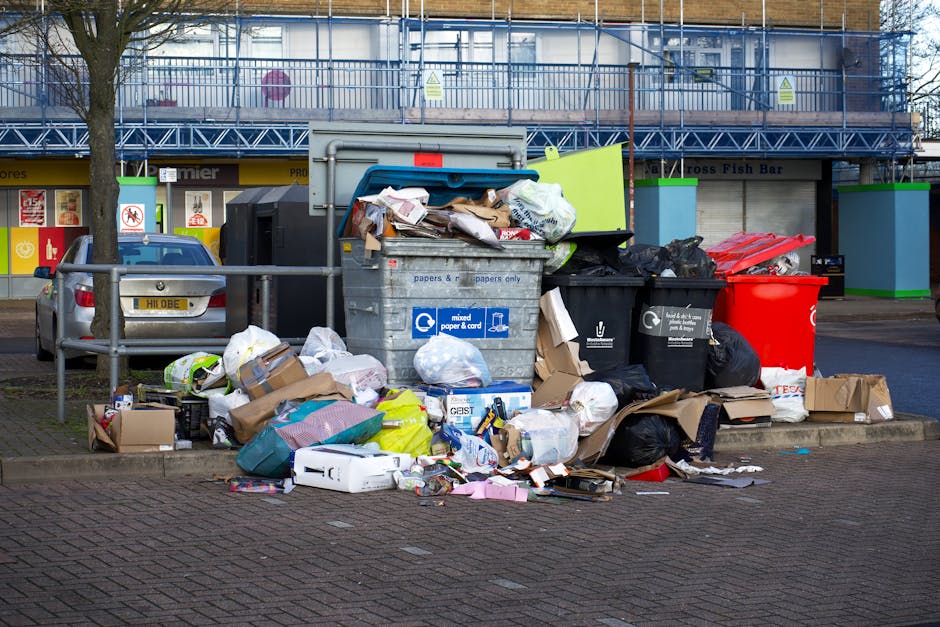
Brent Council rules for waste from Neasden cleaning jobs
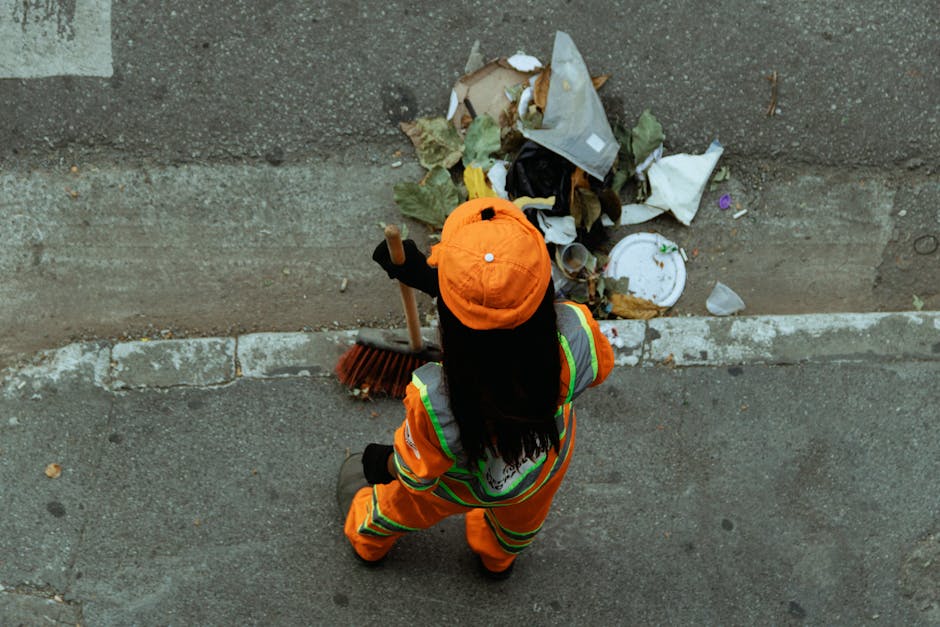
If you clean carpets, sofas, rugs, curtains, mattresses, or upholstery in Neasden, waste handling is not just an afterthought. Brent Council rules for waste from Neasden cleaning jobs can shape everything from how you bag dirty cloths to where wastewater ends up, and whether a job finishes neatly or turns into a headache later on. Truth be told, most problems start with the small stuff: a bucket emptied in the wrong place, a pile of damp waste left outside, or a contractor assuming "it'll be fine".
This guide breaks the topic down in plain English. You'll see what the rules mean in practice, how to manage cleaning waste safely, which mistakes to avoid, and how to stay on the right side of local expectations without making the job more complicated than it needs to be. There's a practical angle here too, because good waste handling is often what separates a smooth cleaning visit from a messy one.
- Why it matters
- How it works
- Key benefits and practical advantages
- Who this is for and when it makes sense
- Step-by-step guidance
- Expert tips for better results
- Common mistakes to avoid
- Tools, resources and recommendations
- Law, compliance, standards, or best practice
- Options, methods, or comparison table
- Case study or real-world example
- Practical checklist
- Conclusion
- Frequently asked questions
Why Brent Council rules for waste from Neasden cleaning jobs Matters
Cleaning work produces more than clean surfaces. It also creates waste: wastewater, used cloths, discarded pads, packaging, vacuum debris, stain residues, and sometimes heavier waste from deep cleaning or end-of-tenancy jobs. In a busy part of north-west London like Neasden, where flats, HMOs, managed blocks, and commercial sites all sit close together, poor waste handling can annoy neighbours quickly. That bit matters more than people think.
Brent Council rules exist to protect public spaces, drains, residents, and collection services. For cleaning jobs, the main issue is usually not one dramatic rule, but a cluster of expectations about how waste is stored, contained, moved, and disposed of. If you understand those expectations early, you reduce the chance of complaints, blocked drains, slippery pavements, or avoidable call-backs. And yes, the customer notices. They notice the smell, the drips, the litter, the lot.
For a cleaning business, this is also about reputation. A tidy, compliant finish tells clients you are organised and careful. A sloppy finish does the opposite in about thirty seconds. Let's face it, no one wants to book a cleaner who leaves a trail behind them.
How Brent Council rules for waste from Neasden cleaning jobs Works
There usually are two layers to think about: the local authority expectation and the practical jobsite process. Brent Council may set local requirements for household waste presentation, recycling, bulky waste, fly-tipping prevention, and safe disposal practices. Separately, a cleaning contractor must decide how to separate and contain waste generated during the job.
In real life, the process often looks like this:
- Identify the waste before you start: wastewater, solid debris, contaminated cloths, disposable sleeves, packaging, or damaged items.
- Keep waste separate where possible, especially if there is recyclable packaging or dry debris.
- Contain liquid waste in a suitable container and never assume a sink, gutter, or external drain is acceptable.
- Bag absorbent or contaminated waste securely so it does not leak in common areas or vehicles.
- Remove waste promptly and place it in the correct disposal route, which may be general waste, recycling, or a licensed collection arrangement depending on the material.
That sounds straightforward, and mostly it is. The tricky part is deciding what counts as "cleaning waste" versus something that needs extra care. A carpet cleaned after pet accidents, for example, creates different waste from a routine vacuum-and-shampoo visit. A commercial job can be even more varied, because you may be dealing with office litter, food residue, paper waste, and packaging all at once.
If you also provide specialist services such as carpet cleaning or upholstery cleaning, it helps to plan waste handling as part of the method statement, not as a rushed final step. That small shift saves time. And bother.
Key Benefits and Practical Advantages
Getting waste management right is not only about avoiding trouble. It has very real day-to-day benefits on the job.
- Cleaner final presentation: the property looks finished, not half-done.
- Lower slip and spill risk: contained wastewater and residue reduce accident hazards in hallways, lifts, and entrances.
- Fewer complaints: neighbours and building managers are less likely to object when there is no mess outside.
- Better customer trust: clients notice when a contractor takes responsibility for the whole process.
- Smoother operations: you spend less time fixing avoidable problems after the job.
- Stronger sustainability: separating recyclable waste and reducing contamination is better for everyone.
There is also a subtle commercial advantage. Clients booking deep cleaning, especially for items like rugs, mattresses, or sofas, are often choosing between similar providers. A business that explains waste handling clearly can sound calmer, more professional, and more reliable. That matters.
If you are comparing services, pages like rug cleaning, sofa cleaning, and mattress cleaning show how different materials can affect the waste picture in different ways. A wool rug, for instance, is not the same disposal story as a synthetic sofa cover with heavy staining.
Who This Is For and When It Makes Sense
This topic is relevant to more people than you might think. It is not just for large contractors with vans and uniforms.
- Independent cleaners doing domestic carpet or upholstery work in Neasden.
- Commercial cleaning teams working in offices, retail units, communal spaces, or managed buildings.
- Landlords and letting agents arranging post-tenancy cleaning where waste and residue must be removed properly.
- Homeowners and tenants who want to know what should happen after a deep clean.
- Facilities managers coordinating contractors and building rules.
The rules matter most when the job creates anything beyond standard household dust. That could be dirty extraction water, ruined textiles, pet-related contamination, or packaging from cleaning products and equipment. If the job is small and dry, the process is simpler. If it is wet, contaminated, or bulky, you need more care. Simple as that.
For pet-related work, the waste question becomes more sensitive. Odour removal jobs can involve towels, pads, gloves, and heavily affected fibres. If that sounds familiar, the pet stain and odour removal service page is a useful example of how cleaning tasks can generate waste that needs a calmer, more controlled approach.
Step-by-Step Guidance
Here is a practical way to handle waste from cleaning jobs in Neasden without overcomplicating it.
- Survey the waste before work starts. Walk the area and identify what will need disposing of. A quick check saves a lot of guesswork later.
- Separate dry waste from wet waste. Dry debris, packaging, and single-use items should not be mixed with wastewater or saturated cloths if you can help it.
- Use the right containers. Keep lidded buckets, sealed bags, and secondary containment handy so nothing leaks in hallways or lifts.
- Avoid entering drains unless you are certain it is permitted. Never pour wastewater where it could create pollution, a blockage, or an odour issue.
- Protect shared areas. Put down sheets or mats if there is any chance of drips near entrances, stairwells, or communal carpets.
- Remove waste promptly. Do not leave it sitting around because the job is "nearly done". That is usually how problems start.
- Document special disposal needs. If waste is unusually contaminated or bulky, note it before the visit ends so the right disposal route can be used.
One small but useful habit: pack out more than you think you need. An extra bag, spare liners, and a sealed container can turn a messy ending into a smooth one. You probably will not need them every time. But when you do, you really do.
For jobs that involve steam-based methods, the waste planning should also cover moisture management. If you are curious how that changes the workflow, the steam carpet cleaning page is a helpful reference point for the kind of cleaning that can leave residual water and more careful drying needs.
Expert Tips for Better Results
Over time, the better cleaning teams tend to share a few habits. Nothing flashy. Just disciplined, boring-in-a-good-way habits that save trouble later.
- Think in zones. Keep a clean zone, a wet zone, and a waste zone. It reduces cross-contamination and makes the job feel more controlled.
- Carry absorbent backup. Even careful work can splash. A spare towel or absorbent pad can prevent a nasty drip trail.
- Label containers when needed. If there are multiple waste types in a large job, clear labelling avoids confusion when packing out.
- Tell the customer what you are doing. A quick explanation builds confidence and helps them understand why you may be moving slowly at the end.
- Check building rules in advance. Some managed sites have their own waste and access requirements. Those can be just as important as any council expectation.
If you offer a broader range of services, waste handling should be adapted to the material. Curtains can shed dust and debris, sofas can hide pet hair and crumbs, and mattresses can contain a surprising amount of fine waste. That is one reason curtain cleaning and sofa cleaning need their own practical approach rather than a one-size-fits-all method.
And yes, sometimes the best tip is simply to slow down for the last ten minutes. Most of the mess happens there. Funny, really.
Common Mistakes to Avoid
Most waste-related issues are not dramatic. They are ordinary mistakes made under time pressure.
- Pouring dirty water into the wrong place. A drain, gutter, or shared area is not automatically suitable.
- Mixing all waste together. Once wet contamination meets dry recyclable material, the recycling option often disappears.
- Leaving bags open or overfilled. That is how leaks happen in vans and stairwells.
- Ignoring small residues. A little lint, grit, or soiled wipe can still make a space look untidy.
- Assuming the customer will handle it. Unless agreed in advance, waste removal is usually the cleaner's responsibility.
- Forgetting odour risk. Waste from pet jobs or damp textiles can smell quickly in a warm van or hallway.
There is another mistake that people rarely talk about: not planning the return journey. If waste is going back in the vehicle after a job, the route, the storage method, and the timing all matter. A van full of damp material on a summer afternoon can be unpleasant in seconds. Not a great look, and not much fun either.
Tools, Resources and Recommendations
You do not need fancy kit to handle cleaning waste well, but a few basics make life easier.
- Heavy-duty waste bags: useful for contaminated cloths, disposable sleeves, and debris.
- Sealable buckets or containers: a practical choice for wastewater during transport.
- Absorbent pads or towels: ideal for spill prevention around extraction equipment.
- Gloves and protective items: useful when waste is dirty, damp, or odorous.
- Vehicle liners or trays: help protect the van from leaks and residue.
- Job notes or a waste log: helpful for larger commercial visits or repeat clients.
It can also help to keep your business paperwork tidy. Policies around safety, complaints, insurance, and payment are not waste tools as such, but they support a more professional operation. If you want to understand how a responsible cleaner presents itself, the pages on health and safety, insurance and safety, and recycling and sustainability sit well alongside a serious waste-handling approach.
For booking and admin clarity, it is also sensible to review pricing and quotes before agreeing to a job with special disposal needs. Waste handling can affect labour, vehicle time, and disposal arrangements. Better to know up front than have a difficult conversation at the door.
Law, Compliance, Standards, or Best Practice
This article does not replace formal legal or council advice, and that caution matters. Waste handling can touch several areas of UK practice: household and business waste duties, nuisance prevention, environmental protection, health and safety, and building management rules. The exact obligation depends on the type of waste, who generated it, and where it is going.
At a practical level, the safest approach is to follow three principles:
- Contain waste properly. Nothing should leak, spill, or blow around shared spaces.
- Dispose of waste through an appropriate route. Use the route that fits the material, not the easiest shortcut.
- Avoid pollution and public nuisance. Wastewater, odours, and debris should not affect neighbours or common areas.
For commercial cleaning jobs, especially in blocks or offices, a building may also impose its own rules about access, loading bays, waste storage, and lift protection. Those site rules can be just as important as local expectations. In our experience, this is where the real-world detail lives. The paperwork says one thing; the concierge, quite reasonably, wants another.
Best practice is to build waste planning into your job method from the start. That way, even a routine carpet clean has a tidy finish and no awkward surprises.
Options, Methods, or Comparison Table
Different cleaning jobs create different types of waste, and the handling method should match the job. Here is a simple comparison to make that clearer.
| Cleaning job | Typical waste created | Usual handling approach | Main risk if handled poorly |
|---|---|---|---|
| Carpet cleaning | Wastewater, lint, soil, used pads | Contain liquids, bag solids separately | Leaks, slips, unpleasant odours |
| Upholstery cleaning | Residue, cloths, extracted dirt | Seal damp waste and keep it separate | Contamination in van or communal space |
| Rug or curtain cleaning | Loose fibres, dust, packaging | Sort dry waste where possible | Mess in hallways or recycling contamination |
| Pet-related cleaning | Soiled cloths, odour-heavy waste, absorbents | Use sealed bags and prompt removal | Strong smell, hygiene issues |
| Commercial cleaning | Mixed waste streams | Separate by type and follow site instructions | Non-compliance with building or waste rules |
The main takeaway is not that one method is "better" in every case. It is that the best method is the one that keeps waste controlled from start to finish. If you are working on a mixed-material job, lean toward simpler separation, not cleverness. Simple usually wins.
Case Study or Real-World Example
Imagine a late afternoon carpet clean in a Neasden flat. The hallway is shared, the lift is small, and the customer has two children doing laps around the living room. Nothing dramatic, just a normal busy household. The cleaner finishes the extraction, and the bucket contains greyish wastewater, a few bits of grit, and damp cloths.
Now compare two endings. In the first, the bucket is left open while the cleaner packs the machine away. A small drip hits the hallway floor. Someone notices. The customer feels awkward, the neighbour looks irritated, and the cleaner spends the next ten minutes apologising and mopping. In the second, the cleaner has a lidded container, bags the cloths, wipes the outside of the equipment, checks the route out, and removes the waste in one careful go. The job feels calm. It ends calm.
That is the whole point, really. Waste planning is not about creating extra admin. It is about removing friction. A cleaner who handles waste well is often the one who seems, to the client, quietly in control.
If that job had included a worn sofa or a stubborn stain on an armrest, the waste load would have been slightly different again. That is why stain removal and sofa cleaning often benefit from a more tailored site plan than a simple vacuum-and-go visit.
Practical Checklist
Use this before, during, or after a cleaning job in Neasden.
- Identify all waste types before starting.
- Separate dry waste from wet waste.
- Use sealed containers for liquid residue.
- Bag contaminated cloths and disposable items securely.
- Protect communal areas from drips and debris.
- Check building rules if the job is in a managed property.
- Avoid pouring wastewater into unsuitable drains or public areas.
- Remove waste promptly rather than leaving it onsite.
- Keep the vehicle clean and lined where necessary.
- Leave the customer with a tidy, finished space.
If you can tick those boxes, you are already ahead of a lot of people. No drama. Just good practice.
Get a free quote today and see how much you can save.
Conclusion
Brent Council rules for waste from Neasden cleaning jobs are best understood as part of responsible, everyday cleaning practice. If you contain waste properly, separate what needs separating, and avoid shortcuts with wastewater or disposal, most of the risk falls away. The work looks better, the client feels reassured, and you avoid the kind of small issues that somehow become big ones by tea time.
That is the quiet advantage here: a cleaner job is not only about surfaces. It is about the finish, the route out, the final check, and the little details that show care. Get those right and the whole service feels more professional, more local, and much easier to trust.
For businesses that want to demonstrate that care more broadly, it also helps to keep your wider service standards visible, including the way you handle safety, sustainability, and customer information. A careful operation tends to feel like a calmer one, and customers can sense that straight away.
And honestly, in a place as busy as Neasden, calm is worth a lot.
Frequently Asked Questions
What counts as waste from a cleaning job?
It can include wastewater, dirty cloths, disposable wipes, debris, packaging, extracted soil, and any damaged or contaminated items removed during the job.
Can cleaning wastewater be poured down a drain?
Not automatically. It depends on the situation, the type of drain, and whether the disposal route is suitable. The safest approach is to contain wastewater and use an appropriate disposal method rather than guessing.
Do Brent Council rules apply to domestic cleaning jobs in Neasden?
Yes, local waste expectations can still matter for domestic jobs, especially where waste could affect shared spaces, pavements, bins, or drainage. The practical responsibility is usually to leave no mess behind.
What should I do with soaked cloths or pads after cleaning?
Bag them securely, keep them separate from dry recyclable waste where possible, and remove them promptly so they do not leak or smell.
Is pet-related waste treated differently?
Often it needs more care because of odour, contamination, and hygiene concerns. Sealed containment and quick removal are especially important.
How do commercial cleaning jobs change the waste process?
Commercial sites may generate mixed waste streams and may also have their own building rules for access, loading, and disposal. A site-specific plan is usually the better choice.
What are the most common mistakes cleaners make with waste?
The big ones are leaking buckets, mixing wet and dry waste, leaving bags open, and assuming someone else will deal with disposal later.
Does steam cleaning create more waste than dry cleaning?
It can create more moisture-related waste and requires better control of extracted water and damp materials. The exact amount depends on the job and the fabric or floor type.
How can I reduce waste on a cleaning visit?
Plan the job carefully, use reusable tools where appropriate, separate waste streams, and avoid overusing disposable items. A tidy process usually creates less waste overall.
Should waste handling be included in a cleaning quote?
For larger or more complex jobs, yes, it is sensible to factor it in. Special disposal needs can affect time, materials, and vehicle handling.
What is the safest way to avoid complaints from neighbours or building managers?
Keep common areas clean, avoid spills, remove waste quickly, and communicate clearly if the job will involve bulky or messy material. Quiet, careful work goes a long way.
Where can I learn more about responsible cleaning practices on the same site?
Helpful pages include recycling and sustainability, health and safety, and the main service pages for carpet, rug, sofa, mattress, curtain, and upholstery cleaning.